How to become a Wildlife Photographer?
There's no single path but there are many realistic routes that combine passion, profession, and purpose. Sharing my narrative on this.
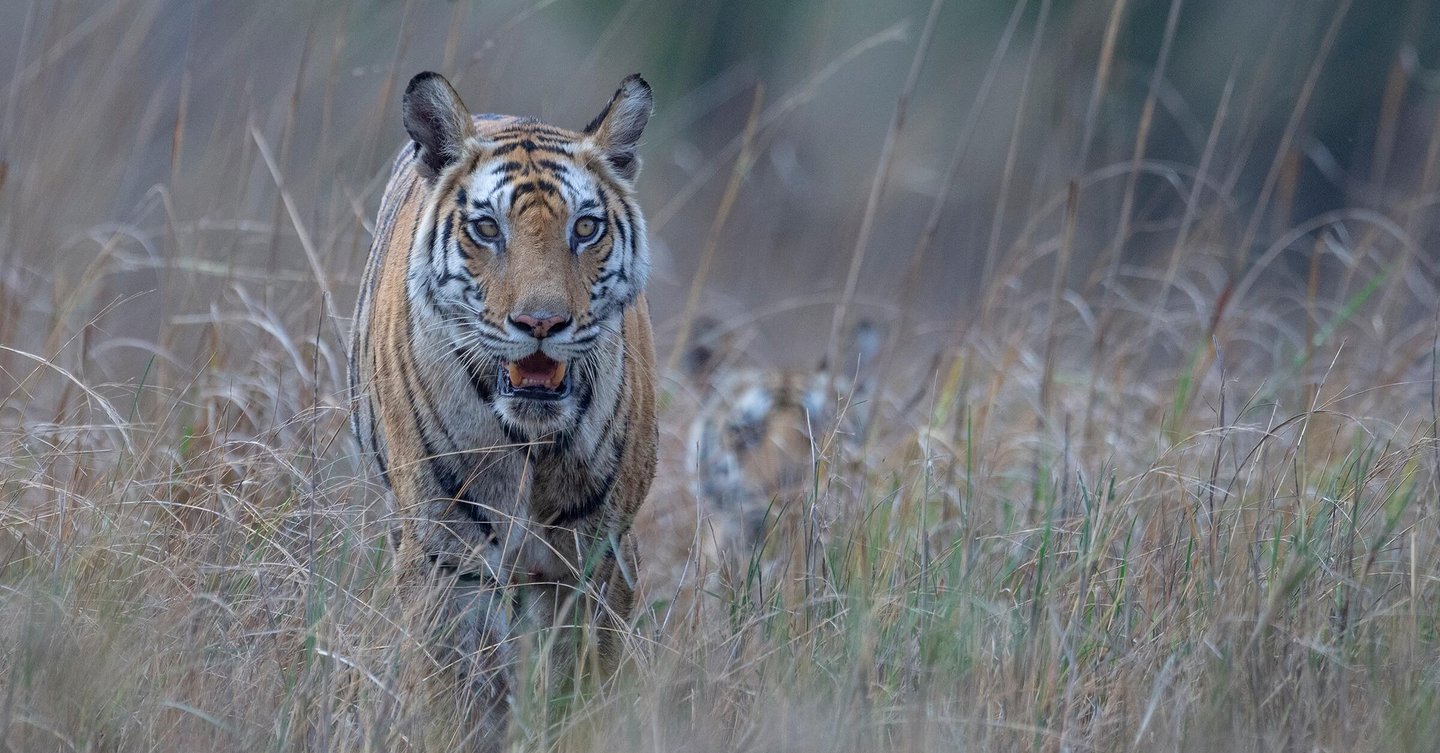
How to become a Wildlife Photographer?
Becoming a wildlife photographer in India requires more than just a camera & lens — it requires access to forests, national parks, and wildlife sanctuaries. And there are multiple career paths to get you ther. This guide covers 9 realistic ways to build a wildlife photography career in India.
1. Become an IFS Officer
Best For - Those seeking authority, job security, and unrestricted forest access.
The Indian Forest Service and State Public Service Commission recruits for various ranks such as DFO (Divisional Forest Officer), ACF (Assistant Conservator of Forest) and RFO (Range Forest Officer). The opportunities you get to contribute other than Biodiversity conservation include direct access to protected areas, role in camera trapping, documentation and leading projects, human-wildlife conflict resolution and major policy decisions. Photography becomes a part of your professional work.
2. Become Naturalist in a Wildlife Lodge or Nature Camp
Best for: Passionate learners without formal degrees who love storytelling and guiding.
No fixed educational qualification is required. Organizations like Pugdundee Safaris, Nature Guides, Taj Safaris, and Jungle Lodges offer certified naturalist training programs. The courses vary from week to months, where you learn about storytelling, guiding techniques, guest handling, first aid and also develop deep understanding for Indian flora and fauna.
After this course you are eligible to apply for the post of Naturalist at Wildlife safari lodges and Nature camps. This access to the Jungles provide platform for building your portfolio
3. Work in a Wildlife Conservation NGO
Best for: People interested in photojournalism and species documentation.
Wildlife conservation and Social development organizations also employ photographers who can document their work, narrate photo stories, campaigns, reports and publications. They also get field access from forest department for wildlife photojournalism on anti-poaching, species rehabilitation, and human-wildlife conflict.
4. Become a Wildlife Tour Leader or Safari Guide
Best for: Those who love travel, people, and wildlife equally.
Wildlife tour leaders work with operators like NHA, Travel Inn, Aranya by Sita or freelance with their own packages across multiple tiger reserves and bird sanctuaries. Unlike lodge-bound naturalists, they travel pan-India and internationally. This profile gives access to multiple parks, complimentary lodge stays, logistics and build network with like-minded people along your journey.
5. Leverage Family Financial Support
Best for: Young photographers with privileged access to gear and travel funding from parents.
If you have great family support that covers buying your pro photography equipment and safari trips – Better use it strategically. Build your social media presence, network, participate in competitions, and collaborate with conservation organizations for credibility of your work. Early financial backing reduces the time to pursue your dream.
6. Become a Wildlife Biologist or Field Researcher
Best for: Science graduates with a passion for specific species.
Wildlife biologists and field researchers spend extended periods in forests studying species behaviour, population dynamics, camera trapping and conservation outcomes. This job provides prolonged access, documentation opportunity of critically endangered species, publishable research, and grants.
Relevant degrees may include BSc or MSc in Wildlife Science, Forestry, Zoology or Environmental Science from WII, IIFM, WCS or recognized Universities.
7. Become a Wildlife Photography Mentor or Influencer
Best for: Established photographers ready to monetise their expertise
Once you have a great portfolio, won recognitions and awards - teaching becomes a parallel source of income. You mentor budding photographers through workshops, lead photo tours, sell online courses and can build your brand on Instagram, Substack and YouTube. Though it looks easy while I write but it requires lot of effort to establish as an Influencer.
8. Assist an Established Wildlife Photographer on a Project
Best for: Beginners looking for hands-on learning and networking.
Established wildlife photographers frequently work on wildlife projects, coffee table books, production houses, biodiversity, photo journalism and species documentation assignments with conservation organizations and forest departments. You may reach out to them via LinkedIn, Instagram, Facebook or at Wildlife photography events.
9. Pursue a Professional Career First — Then do Wildlife Photography
Best for: Those who value financial stability while pursuing photography as a serious passion.
A well-paying professional career such as doctor, engineer, lawyer, consultant, entrepreneur or even in today’s gen YouTuber will fund for your high end photography gear. You may take break from your profession and do safari trips around the year. In my opinion, a stable professional career is arguably the most balanced path offering financial security, family stability, and creative fulfilment.
Final Words
There's no single path to becoming a wildlife photographer in India — but there are many realistic routes that combine passion, profession, and purpose. Whether you join the Forest Service, work with an NGO, or build your own tour company, consistent access to nature and camera in hand will define your journey.
Start where you are. Use what you have. Do what you can !!